Tag Archives: free read

The Yellow Wallpaper by Charlotte Perkins

As someone with a history in studying neurological psychology, as well as my own struggle with mental health, I was introduced to this story long ago. Not only did it show the spiral of mental health issues unchecked, but it also displayed the prejudices of women in the Victorian era when it came to their health and struggles.

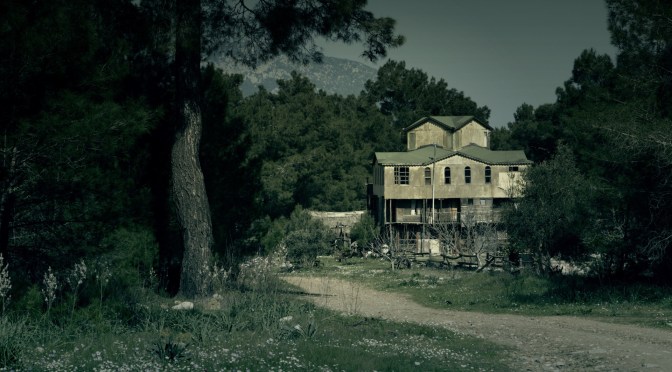
It is very seldom that mere ordinary people like John and myself secure ancestral halls for the summer.

A colonial mansion, a hereditary estate, I would say a haunted house, and reach the height of romantic felicity—but that would be asking too much of fate!

Still I will proudly declare that there is something queer about it.

Else, why should it be let so cheaply? And why have stood so long untenanted?

John laughs at me, of course, but one expects that in marriage.

John is practical in the extreme. He has no patience with faith, an intense horror of superstition, and he scoffs openly at any talk of things not to be felt and seen and put down in figures.

John is a physician, and perhaps—(I would not say it to a living soul, of course, but this is dead paper and a great relief to my mind)—perhaps that is one reason I do not get well faster.

You see, he does not believe I am sick!

And what can one do?

If a physician of high standing, and one’s own husband, assures friends and relatives that there is really nothing the matter with one but temporary nervous depression—a slight hysterical tendency—what is one to do?

My brother is also a physician, and also of high standing, and he says the same thing.

So I take phosphates or phosphites—whichever it is, and tonics, and journeys, and air, and exercise, and am absolutely forbidden to “work” until I am well again.

Personally, I disagree with their ideas.

Personally, I believe that congenial work, with excitement and change, would do me good.

But what is one to do?

I did write for a while in spite of them; but it does exhaust me a good deal—having to be so sly about it, or else meet with heavy opposition.

I sometimes fancy that in my condition if I had less opposition and more society and stimulus—but John says the very worst thing I can do is to think about my condition, and I confess it always makes me feel bad.

So I will let it alone and talk about the house.

The most beautiful place! It is quite alone, standing well back from the road, quite three miles from the village. It makes me think of English places that you read about, for there are hedges and walls and gates that lock, and lots of separate little houses for the gardeners and people.

There is a delicious garden! I never saw such a garden—large and shady, full of box-bordered paths, and lined with long grape-covered arbors with seats under them.

There were greenhouses, too, but they are all broken now.

There was some legal trouble, I believe, something about the heirs and co-heirs; anyhow, the place has been empty for years.

That spoils my ghostliness, I am afraid; but I don’t care—there is something strange about the house—I can feel it.

I even said so to John one moonlight evening, but he said what I felt was a draught, and shut the window.

I get unreasonably angry with John sometimes. I’m sure I never used to be so sensitive. I think it is due to this nervous condition.

But John says if I feel so I shall neglect proper self-control; so I take pains to control myself,—before him, at least,—and that makes me very tired.

I don’t like our room a bit. I wanted one downstairs that opened on the piazza and had roses all over the window, and such pretty old-fashioned chintz hangings! but John would not hear of it.

He said there was only one window and not room for two beds, and no near room for him if he took another.

He is very careful and loving, and hardly lets me stir without special direction.

I have a schedule prescription for each hour in the day; he takes all care from me, and so I feel basely ungrateful not to value it more.

He said we came here solely on my account, that I was to have perfect rest and all the air I could get. “Your exercise depends on your strength, my dear,” said he, “and your food somewhat on your appetite; but air you can absorb all the time.” So we took the nursery, at the top of the house.

It is a big, airy room, the whole floor nearly, with windows that look all ways, and air and sunshine galore. It was nursery first and then playground and gymnasium, I should judge; for the windows are barred for little children, and there are rings and things in the walls.

The paint and paper look as if a boys’ school had used it. It is stripped off—the paper—in great patches all around the head of my bed, about as far as I can reach, and in a great place on the other side of the room low down. I never saw a worse paper in my life.

One of those sprawling flamboyant patterns committing every artistic sin.

It is dull enough to confuse the eye in following, pronounced enough to constantly irritate, and provoke study, and when you follow the lame, uncertain curves for a little distance they suddenly commit suicide—plunge off at outrageous angles, destroy themselves in unheard-of contradictions.

The color is repellant, almost revolting; a smouldering, unclean yellow, strangely faded by the slow-turning sunlight.

It is a dull yet lurid orange in some places, a sickly sulphur tint in others.

No wonder the children hated it! I should hate it myself if I had to live in this room long.

There comes John, and I must put this away,—he hates to have me write a word.

We have been here two weeks, and I haven’t felt like writing before, since that first day.

I am sitting by the window now, up in this atrocious nursery, and there is nothing to hinder my writing as much as I please, save lack of strength.

John is away all day, and even some nights when his cases are serious.

I am glad my case is not serious!

But these nervous troubles are dreadfully depressing.

John does not know how much I really suffer. He knows there is no reason to suffer, and that satisfies him.

Of course it is only nervousness. It does weigh on me so not to do my duty in any way!

I meant to be such a help to John, such a real rest and comfort, and here I am a comparative burden already!

Nobody would believe what an effort it is to do what little I am able—to dress and entertain, and order things.

It is fortunate Mary is so good with the baby. Such a dear baby!

And yet I cannot be with him, it makes me so nervous.

I suppose John never was nervous in his life. He laughs at me so about this wallpaper!

At first he meant to repaper the room, but afterwards he said that I was letting it get the better of me, and that nothing was worse for a nervous patient than to give way to such fancies.

He said that after the wallpaper was changed it would be the heavy bedstead, and then the barred windows, and then that gate at the head of the stairs, and so on.

“You know the place is doing you good,” he said, “and really, dear, I don’t care to renovate the house just for a three months’ rental.”

“Then do let us go downstairs,” I said, “there are such pretty rooms there.”

Then he took me in his arms and called me a blessed little goose, and said he would go down cellar if I wished, and have it whitewashed into the bargain.

But he is right enough about the beds and windows and things.

It is as airy and comfortable a room as any one need wish, and, of course, I would not be so silly as to make him uncomfortable just for a whim.

I’m really getting quite fond of the big room, all but that horrid paper.

Out of one window I can see the garden, those mysterious deep-shaded arbors, the riotous old-fashioned flowers, and bushes and gnarly trees.

Out of another I get a lovely view of the bay and a little private wharf belonging to the estate. There is a beautiful shaded lane that runs down there from the house. I always fancy I see people walking in these numerous paths and arbors, but John has cautioned me not to give way to fancy in the least. He says that with my imaginative power and habit of story-making a nervous weakness like mine is sure to lead to all manner of excited fancies, and that I ought to use my will and good sense to check the tendency. So I try.

I think sometimes that if I were only well enough to write a little it would relieve the press of ideas and rest me.

But I find I get pretty tired when I try.

It is so discouraging not to have any advice and companionship about my work. When I get really well John says we will ask Cousin Henry and Julia down for a long visit; but he says he would as soon put fire-works in my pillow-case as to let me have those stimulating people about now.

I wish I could get well faster.

But I must not think about that. This paper looks to me as if it knew what a vicious influence it had!

There is a recurrent spot where the pattern lolls like a broken neck and two bulbous eyes stare at you upside-down.

I get positively angry with the impertinence of it and the everlastingness. Up and down and sideways they crawl, and those absurd, unblinking eyes are everywhere. There is one place where two breadths didn’t match, and the eyes go all up and down the line, one a little higher than the other.

I never saw so much expression in an inanimate thing before, and we all know how much expression they have! I used to lie awake as a child and get more entertainment and terror out of blank walls and plain furniture than most children could find in a toy-store.

I remember what a kindly wink the knobs of our big old bureau used to have, and there was one chair that always seemed like a strong friend.

I used to feel that if any of the other things looked too fierce I could always hop into that chair and be safe.

The furniture in this room is no worse than inharmonious, however, for we had to bring it all from downstairs. I suppose when this was used as a playroom they had to take the nursery things out, and no wonder! I never saw such ravages as the children have made here.

The wallpaper, as I said before, is torn off in spots, and it sticketh closer than a brother—they must have had perseverance as well as hatred.

Then the floor is scratched and gouged and splintered, the plaster itself is dug out here and there, and this great heavy bed, which is all we found in the room, looks as if it had been through the wars.

But I don’t mind it a bit—only the paper.

There comes John’s sister. Such a dear girl as she is, and so careful of me! I must not let her find me writing.

She is a perfect, and enthusiastic housekeeper, and hopes for no better profession. I verily believe she thinks it is the writing which made me sick!

But I can write when she is out, and see her a long way off from these windows.

There is one that commands the road, a lovely, shaded, winding road, and one that just looks off over the country. A lovely country, too, full of great elms and velvet meadows.

This wallpaper has a kind of sub-pattern in a different shade, a particularly irritating one, for you can only see it in certain lights, and not clearly then.

But in the places where it isn’t faded, and where the sun is just so, I can see a strange, provoking, formless sort of figure, that seems to sulk about behind that silly and conspicuous front design.

There’s sister on the stairs!

Well, the Fourth of July is over! The people are gone and I am tired out. John thought it might do me good to see a little company, so we just had mother and Nellie and the children down for a week.

Of course I didn’t do a thing. Jennie sees to everything now.

But it tired me all the same.

John says if I don’t pick up faster he shall send me to Weir Mitchell in the fall.

But I don’t want to go there at all. I had a friend who was in his hands once, and she says he is just like John and my brother, only more so!

Besides, it is such an undertaking to go so far.

I don’t feel as if it was worth while to turn my hand over for anything, and I’m getting dreadfully fretful and querulous.

I cry at nothing, and cry most of the time.

Of course I don’t when John is here, or anybody else, but when I am alone.

And I am alone a good deal just now. John is kept in town very often by serious cases, and Jennie is good and lets me alone when I want her to.

So I walk a little in the garden or down that lovely lane, sit on the porch under the roses, and lie down up here a good deal.

I’m getting really fond of the room in spite of the wallpaper. Perhaps because of the wallpaper.

It dwells in my mind so!

I lie here on this great immovable bed—it is nailed down, I believe—and follow that pattern about by the hour. It is as good as gymnastics, I assure you. I start, we’ll say, at the bottom, down in the corner over there where it has not been touched, and I determine for the thousandth time that I will follow that pointless pattern to some sort of a conclusion.

I know a little of the principle of design, and I know this thing was not arranged on any laws of radiation, or alternation, or repetition, or symmetry, or anything else that I ever heard of.

It is repeated, of course, by the breadths, but not otherwise.

Looked at in one way each breadth stands alone, the bloated curves and flourishes—a kind of “debased Romanesque” with delirium tremens—go waddling up and down in isolated columns of fatuity.

But, on the other hand, they connect diagonally, and the sprawling outlines run off in great slanting waves of optic horror, like a lot of wallowing seaweeds in full chase.

The whole thing goes horizontally, too, at least it seems so, and I exhaust myself in trying to distinguish the order of its going in that direction.

They have used a horizontal breadth for a frieze, and that adds wonderfully to the confusion.

There is one end of the room where it is almost intact, and there, when the cross-lights fade and the low sun shines directly upon it, I can almost fancy radiation after all,—the interminable grotesques seem to form around a common centre and rush off in headlong plunges of equal distraction.

It makes me tired to follow it. I will take a nap, I guess.

I don’t know why I should write this.

I don’t want to.

I don’t feel able.

And I know John would think it absurd. But I must say what I feel and think in some way—it is such a relief!

But the effort is getting to be greater than the relief.

Half the time now I am awfully lazy, and lie down ever so much.

John says I musn’t lose my strength, and has me take cod-liver oil and lots of tonics and things, to say nothing of ale and wine and rare meat.

Dear John! He loves me very dearly, and hates to have me sick. I tried to have a real earnest reasonable talk with him the other day, and tell him how I wish he would let me go and make a visit to Cousin Henry and Julia.

But he said I wasn’t able to go, nor able to stand it after I got there; and I did not make out a very good case for myself, for I was crying before I had finished.

It is getting to be a great effort for me to think straight. Just this nervous weakness, I suppose.

And dear John gathered me up in his arms, and just carried me upstairs and laid me on the bed, and sat by me and read to me till it tired my head.

He said I was his darling and his comfort and all he had, and that I must take care of myself for his sake, and keep well.

He says no one but myself can help me out of it, that I must use my will and self-control and not let any silly fancies run away with me.

There’s one comfort, the baby is well and happy, and does not have to occupy this nursery with the horrid wallpaper.

If we had not used it that blessed child would have! What a fortunate escape! Why, I wouldn’t have a child of mine, an impressionable little thing, live in such a room for worlds.

I never thought of it before, but it is lucky that John kept me here after all. I can stand it so much easier than a baby, you see.

Of course I never mention it to them any more,—I am too wise,—but I keep watch of it all the same.

There are things in that paper that nobody knows but me, or ever will.

Behind that outside pattern the dim shapes get clearer every day.

It is always the same shape, only very numerous.

And it is like a woman stooping down and creeping about behind that pattern. I don’t like it a bit. I wonder—I begin to think—I wish John would take me away from here!

It is so hard to talk with John about my case, because he is so wise, and because he loves me so.

But I tried it last night.

It was moonlight. The moon shines in all around, just as the sun does.

I hate to see it sometimes, it creeps so slowly, and always comes in by one window or another.

John was asleep and I hated to waken him, so I kept still and watched the moonlight on that undulating wallpaper till I felt creepy.

The faint figure behind seemed to shake the pattern, just as if she wanted to get out.

I got up softly and went to feel and see if the paper did move, and when I came back John was awake.

“What is it, little girl?” he said. “Don’t go walking about like that—you’ll get cold.”

I thought it was a good time to talk, so I told him that I really was not gaining here, and that I wished he would take me away.

“Why darling!” said he, “our lease will be up in three weeks, and I can’t see how to leave before.

“The repairs are not done at home, and I cannot possibly leave town just now. Of course if you were in any danger I could and would, but you really are better, dear, whether you can see it or not. I am a doctor, dear, and I know. You are gaining flesh and color, your appetite is better. I feel really much easier about you.”

“I don’t weigh a bit more,” said I, “nor as much; and my appetite may be better in the evening, when you are here, but it is worse in the morning when you are away.”

“Bless her little heart!” said he with a big hug; “she shall be as sick as she pleases! But now let’s improve the shining hours by going to sleep, and talk about it in the morning!”

“And you won’t go away?” I asked gloomily.

“Why, how can I, dear? It is only three weeks more and then we will take a nice little trip of a few days while Jennie is getting the house ready. Really, dear, you are better!”

“Better in body perhaps”—I began, and stopped short, for he sat up straight and looked at me with such a stern, reproachful look that I could not say another word.

“My darling,” said he, “I beg of you, for my sake and for our child’s sake, as well as for your own, that you will never for one instant let that idea enter your mind! There is nothing so dangerous, so fascinating, to a temperament like yours. It is a false and foolish fancy. Can you not trust me as a physician when I tell you so?”

So of course I said no more on that score, and we went to sleep before long. He thought I was asleep first, but I wasn’t,—I lay there for hours trying to decide whether that front pattern and the back pattern really did move together or separately.

On a pattern like this, by daylight, there is a lack of sequence, a defiance of law, that is a constant irritant to a normal mind.

The color is hideous enough, and unreliable enough, and infuriating enough, but the pattern is torturing.

You think you have mastered it, but just as you get well under way in following, it turns a back somersault and there you are. It slaps you in the face, knocks you down, and tramples upon you. It is like a bad dream.

The outside pattern is a florid arabesque, reminding one of a fungus. If you can imagine a toadstool in joints, an interminable string of toadstools, budding and sprouting in endless convolutions,—why, that is something like it.

That is, sometimes!

There is one marked peculiarity about this paper, a thing nobody seems to notice but myself, and that is that it changes as the light changes.

When the sun shoots in through the east window—I always watch for that first long, straight ray—it changes so quickly that I never can quite believe it.

That is why I watch it always.

By moonlight—the moon shines in all night when there is a moon—I wouldn’t know it was the same paper.

At night in any kind of light, in twilight, candlelight, lamplight, and worst of all by moonlight, it becomes bars! The outside pattern I mean, and the woman behind it is as plain as can be.

I didn’t realize for a long time what the thing was that showed behind,—that dim sub-pattern,—but now I am quite sure it is a woman.

By daylight she is subdued, quiet. I fancy it is the pattern that keeps her so still. It is so puzzling. It keeps me quiet by the hour.

I lie down ever so much now. John says it is good for me, and to sleep all I can.

Indeed, he started the habit by making me lie down for an hour after each meal.

It is a very bad habit, I am convinced, for, you see, I don’t sleep.

And that cultivates deceit, for I don’t tell them I’m awake,—oh, no!

The fact is, I am getting a little afraid of John.

He seems very queer sometimes, and even Jennie has an inexplicable look.

It strikes me occasionally, just as a scientific hypothesis, that perhaps it is the paper!

I have watched John when he did not know I was looking, and come into the room suddenly on the most innocent excuses, and I’ve caught him several times looking at the paper! And Jennie too. I caught Jennie with her hand on it once.

She didn’t know I was in the room, and when I asked her in a quiet, a very quiet voice, with the most restrained manner possible, what she was doing with the paper she turned around as if she had been caught stealing, and looked quite angry—asked me why I should frighten her so!

Then she said that the paper stained everything it touched, that she had found yellow smooches on all my clothes and John’s, and she wished we would be more careful!

Did not that sound innocent? But I know she was studying that pattern, and I am determined that nobody shall find it out but myself!

Life is very much more exciting now than it used to be. You see I have something more to expect, to look forward to, to watch. I really do eat better, and am more quiet than I was.

John is so pleased to see me improve! He laughed a little the other day, and said I seemed to be flourishing in spite of my wallpaper.

I turned it off with a laugh. I had no intention of telling him it was because of the wallpaper—he would make fun of me. He might even want to take me away.

I don’t want to leave now until I have found it out. There is a week more, and I think that will be enough.

I’m feeling ever so much better! I don’t sleep much at night, for it is so interesting to watch developments; but I sleep a good deal in the daytime.

In the daytime it is tiresome and perplexing.

There are always new shoots on the fungus, and new shades of yellow all over it. I cannot keep count of them, though I have tried conscientiously.

It is the strangest yellow, that wallpaper! It makes me think of all the yellow things I ever saw—not beautiful ones like buttercups, but old foul, bad yellow things.

But there is something else about that paper—the smell! I noticed it the moment we came into the room, but with so much air and sun it was not bad. Now we have had a week of fog and rain, and whether the windows are open or not, the smell is here.

It creeps all over the house.

I find it hovering in the dining-room, skulking in the parlor, hiding in the hall, lying in wait for me on the stairs.

It gets into my hair.

Even when I go to ride, if I turn my head suddenly and surprise it—there is that smell!

Such a peculiar odor, too! I have spent hours in trying to analyze it, to find what it smelled like.

It is not bad—at first, and very gentle, but quite the subtlest, most enduring odor I ever met.

In this damp weather it is awful. I wake up in the night and find it hanging over me.

It used to disturb me at first. I thought seriously of burning the house—to reach the smell.

But now I am used to it. The only thing I can think of that it is like is the color of the paper! A yellow smell.

There is a very funny mark on this wall, low down, near the mopboard. A streak that runs round the room. It goes behind every piece of furniture, except the bed, a long, straight, even smooch, as if it had been rubbed over and over.

I wonder how it was done and who did it, and what they did it for. Round and round and round—round and round and round—it makes me dizzy!

I really have discovered something at last.

Through watching so much at night, when it changes so, I have finally found out.

The front pattern does move—and no wonder! The woman behind shakes it!

Sometimes I think there are a great many women behind, and sometimes only one, and she crawls around fast, and her crawling shakes it all over.

Then in the very bright spots she keeps still, and in the very shady spots she just takes hold of the bars and shakes them hard.

And she is all the time trying to climb through. But nobody could climb through that pattern—it strangles so; I think that is why it has so many heads.

They get through, and then the pattern strangles them off and turns them upside-down, and makes their eyes white!

If those heads were covered or taken off it would not be half so bad.

I think that woman gets out in the daytime!

And I’ll tell you why—privately—I’ve seen her!

I can see her out of every one of my windows!

It is the same woman, I know, for she is always creeping, and most women do not creep by daylight.

I see her on that long shaded lane, creeping up and down. I see her in those dark grape arbors, creeping all around the garden.

I see her on that long road under the trees, creeping along, and when a carriage comes she hides under the blackberry vines.

I don’t blame her a bit. It must be very humiliating to be caught creeping by daylight!

I always lock the door when I creep by daylight. I can’t do it at night, for I know John would suspect something at once.

And John is so queer now, that I don’t want to irritate him. I wish he would take another room! Besides, I don’t want anybody to get that woman out at night but myself.

I often wonder if I could see her out of all the windows at once.

But, turn as fast as I can, I can only see out of one at one time.

And though I always see her she may be able to creep faster than I can turn!

I have watched her sometimes away off in the open country, creeping as fast as a cloud shadow in a high wind.

If only that top pattern could be gotten off from the under one! I mean to try it, little by little.

I have found out another funny thing, but I shan’t tell it this time! It does not do to trust people too much.

There are only two more days to get this paper off, and I believe John is beginning to notice. I don’t like the look in his eyes.

And I heard him ask Jennie a lot of professional questions about me. She had a very good report to give.

She said I slept a good deal in the daytime.

John knows I don’t sleep very well at night, for all I’m so quiet!

He asked me all sorts of questions, too, and pretended to be very loving and kind.

As if I couldn’t see through him!

Still, I don’t wonder he acts so, sleeping under this paper for three months.

It only interests me, but I feel sure John and Jennie are secretly affected by it.

Hurrah! This is the last day, but it is enough. John is to stay in town over night, and won’t be out until this evening.

Jennie wanted to sleep with me—the sly thing! but I told her I should undoubtedly rest better for a night all alone.

That was clever, for really I wasn’t alone a bit! As soon as it was moonlight, and that poor thing began to crawl and shake the pattern, I got up and ran to help her.

I pulled and she shook, I shook and she pulled, and before morning we had peeled off yards of that paper.

A strip about as high as my head and half around the room.

And then when the sun came and that awful pattern began to laugh at me I declared I would finish it to-day!

We go away to-morrow, and they are moving all my furniture down again to leave things as they were before.

Jennie looked at the wall in amazement, but I told her merrily that I did it out of pure spite at the vicious thing.

She laughed and said she wouldn’t mind doing it herself, but I must not get tired.

How she betrayed herself that time!

But I am here, and no person touches this paper but me—not alive!

She tried to get me out of the room—it was too patent! But I said it was so quiet and empty and clean now that I believed I would lie down again and sleep all I could; and not to wake me even for dinner—I would call when I woke.

So now she is gone, and the servants are gone, and the things are gone, and there is nothing left but that great bedstead nailed down, with the canvas mattress we found on it.

We shall sleep downstairs to-night, and take the boat home to-morrow.

I quite enjoy the room, now it is bare again.

How those children did tear about here!

This bedstead is fairly gnawed!

But I must get to work.

I have locked the door and thrown the key down into the front path.

I don’t want to go out, and I don’t want to have anybody come in, till John comes.

I want to astonish him.

I’ve got a rope up here that even Jennie did not find. If that woman does get out, and tries to get away, I can tie her!

But I forgot I could not reach far without anything to stand on!

This bed will not move!

I tried to lift and push it until I was lame, and then I got so angry I bit off a little piece at one corner—but it hurt my teeth.

Then I peeled off all the paper I could reach standing on the floor. It sticks horribly and the pattern just enjoys it! All those strangled heads and bulbous eyes and waddling fungus growths just shriek with derision!

I am getting angry enough to do something desperate. To jump out of the window would be admirable exercise, but the bars are too strong even to try.

Besides I wouldn’t do it. Of course not. I know well enough that a step like that is improper and might be misconstrued.

I don’t like to look out of the windows even—there are so many of those creeping women, and they creep so fast.

I wonder if they all come out of that wallpaper as I did?

But I am securely fastened now by my well-hidden rope—you don’t get me out in the road there!

I suppose I shall have to get back behind the pattern when it comes night, and that is hard!

It is so pleasant to be out in this great room and creep around as I please!

I don’t want to go outside. I won’t, even if Jennie asks me to.

For outside you have to creep on the ground, and everything is green instead of yellow.

But here I can creep smoothly on the floor, and my shoulder just fits in that long smooch around the wall, so I cannot lose my way.

Why, there’s John at the door!

It is no use, young man, you can’t open it!

How he does call and pound!

Now he’s crying for an axe.

It would be a shame to break down that beautiful door!

“John dear!” said I in the gentlest voice, “the key is down by the front steps, under a plantain leaf!”

That silenced him for a few moments.

Then he said—very quietly indeed, “Open the door, my darling!”

“I can’t,” said I. “The key is down by the front door under a plantain leaf!”

And then I said it again, several times, very gently and slowly, and said it so often that he had to go and see, and he got it, of course, and came in. He stopped short by the door.

“What is the matter?” he cried. “For God’s sake, what are you doing!”

I kept on creeping just the same, but I looked at him over my shoulder.

“I’ve got out at last,” said I, “in spite of you and Jane! And I’ve pulled off most of the paper, so you can’t put me back!”

Now why should that man have fainted? But he did, and right across my path by the wall, so that I had to creep over him every time!

Public access link for the original scans of the story are here.

When the Chains Snap (Short Story)

When the Chains Snap

Amanda Leanne (2017)

Found in Shadows Through the Fog

The porcelain tile was ice under her feet. The plastic toilet seat was almost as cold as she felt it through the thin fabric of the threadbare nightgown. Fake silk, itchy lace, and straps a light yank away from completely ripping. She should have left the light off, but then he would have come to see what she was doing. With it on, he could assume she was using the bathroom. If it took a bit, maybe he would think she was going number two and he would be even more reluctant to walk in. She hoped. She wished. If she was religious, she would have prayed.

Her elbows rested in her palms, arms crossed over her chest. Goosebumps had broken out across her skin, giving it a grainy feel. Her hair hung in front of her face, blurry clumps of brown beyond her tear filled eyes. Her teeth bit into her lip, as she choked back the sobs. Another wave of shivers raced down her neck and the length of her spine. Her eyes would be red, puffy, bloodshot. He would know she had been crying. If he didn’t walk in and witness it himself, that is.

In the distance, beyond the closed door and down the hall, the muffled giggles of the toddler. The deep baritone of her husband’s voice seemed to vibrate through the walls. The giggles increased, changed and morphed into squeals of laughter. As comforting as the sound should have been, a new wave of despair crashed over her. She shoved her fist into her mouth, biting down on her knuckles as her body jerked with the near soundless sobs. The ground rumbled as her husband roared in laughter. A growl bubbled in her throat, thick and viscous as it maneuvered through the sobs and into her throat.

She began rocking, back and forth, the pain in her bones and muscles and blood sizzled through her body. The tiles melted under her feet, the walls began to crumble. Her eyes focused on the mirror, the reflection of the framed cheap flower painting taking center stage. The gaudy gold trim and contrasting jewel and pastel tones swirled into themselves, spinning into a puddle reminiscent of vomit. The puddle didn’t drip, it clung to the ugly peach paint. The mirror began to warp and buckle, distorting the image further. The sharp corners, dull and spotted from age, began to curl in under the invisible flames of the room. The paint on the walls began to bubble, darkness creeping in as the heat burned through.

Darkness. She squeezed her eyes shut, embracing the black behind her lids. The static roar of the fire died down, faded. Sucking in her breath, she slowly opened one eye, and saw the hideous painting was whole and still hanging above the toilet, behind her on the wall. The mirror was flat and still, and the walls were not burning. The tiles were no longer cold, but not hot either. Her body heat had warmed them under her unmoving feet.

As she pulled her fist away from her mouth, she saw trails of red where her teeth had broken the skin. Her body shook as she pulled in one ragged breath after another. The room felt small, the walls were too close. She barely had time to stand, spin around and open the lid of the toilet as she fell to her knees, heaving what little she had eaten into the clean, white bowl. Her chest ached and her stomach cramped as her body convulsed, emptying her stomach completely. She almost feared feeling her insides being shoved up and out as the dry heaves finally began to taper off.

Her sweaty head dropped onto the cool plastic of the seat. She took some comfort in knowing she had cleaned the toilet only a few hours earlier. The world faded into grays and back to jarring color as a sharp pain started behind her eyes. Her ears rang and buzzed. She braced herself on the flimsy seat, trying to keep from falling over onto the floor, although that had been cleaned as well. Cleanliness didn’t make the tile much softer for her head if she did fall, though.

Exhaustion poured through her. She wondered if she would be able to stand. Her legs felt like warm jelly. Muffled footsteps came from the distance, getting louder as they approached the bathroom. Her eyes darted to the crack under the door. The bedroom was dark, so she couldn’t see his shadow. He was standing there, she knew he was. He was listening, waiting to hear the sounds of splashes from the toilet or the spray of a shower head.

“Jennifer?” The knob wiggled as he attempted to open the door. “Jennifer, are you okay?”

Her throat was sore, dry and burning. She tried swallowing the acrid taste that enveloped her tongue.

“Jennifer!” The knob jiggled ferociously, the door vibrated as his fist banged into the hollow wood.

“I…” she coughed, wincing in pain, “I’ll be out in a minute.”

“Are you okay?” He was trying to sound concerned. He wanted her to open the door.

“Yeah, um,” coughing, she tried to clear the hoarseness from her voice, “I must have eaten something that didn’t sit well.”

“At dinner? Jack and I had the same thing you did. Are you sure?”

“I don’t know. Maybe it’s a bug or something. I’m fine, I’ll be out in a minute.” Her words were rushed, almost frantic.

“Okay. I’m gonna lay Jack down for the night. I’ll come check on you when I’m done. You want some water or something?” He was convinced. He was suspicious.

“No.” Her voice broke slightly. He was still standing there, waiting.

After a moment, the thumps of him heading away from the bathroom gave her a sigh of relief. Reaching up with her leaden arm, she pushed down on the chrome handle, ignoring the tiny flecks of icy water and vomit that misted from below her. She turned over, on her hands and knees, and crawled the short distance to the sink, grabbing the edge of the Formica counter to pull herself up. She stared at her reflection. Her eyes were wild, red rimmed and glassy. Turning on the faucet, she scooped cold water into her hand and splashed it into her mouth. Swishing and spitting she repeated a few times before leaning over, bending at a painful angle, and gulped the cool liquid down her burning throat.

The freshly laundered blue rag was soaked through and then rubbed vigorously on her face. Strength was easing back into her muscles, her legs still weak but no longer rubbery. She ringed out the rag and draped it over the front of the sink. Looking into her own eyes, she took deep breaths in, slowly releasing and then back in again. Pulling in the calm, is how she pictured it. She ignored the flames flickering at the bottom of the mirror. She refused to look at the painting as it began to blur. Deep breaths.

“Jennifer?”

She jumped. She hadn’t heard him coming back. He could be like that, when he wanted too. Stealthy and sneaky. Her eyes darted to the dark green shower curtain. Something moved behind it. Her mouth tightened as she frowned, watching carefully for the next flicker. There it was, a ripple from the back. It wasn’t enough to rattle the hooks hanging on the rod above, subtle but she saw it.

“Jennifer? You’re kinda of worrying me. Unlock the door.”

Her eyes narrowed as she stared at the sheet of plastic, the shadowy dips between the waves as it fluttered again.

“Goddamnit Jennifer!” He wasn’t yelling, but he was angry. His voice low and deep, growling at her. “I will break the damn door down.”

“I’m fine. I’ll be out shortly.”

“What the hell?” The knob jerked and jiggled, the door vibrating as he banged against it.

“Please, please just go away. I’m a mess. I’ll be out in a minute.”

“Jennifer, what is going on?” The sound of his fist hitting the door caused her to jump back.

“Please!” Her voice came out a hoarse yell, not quite a scream. “Go away!”

The walls bubbled as if they had liquefied. The mirror softly creaked as hairline cracks began racing across its surface. The tiles wobbled in loose grout.

Her sobs came out loud and thick as she hugged herself, sinking down to the floor. The ceiling bowed above her as if she was the source of gravity. The shower curtain shook and jerked on the plastic rings. Once again she shoved a raw fist into her mouth, biting down on the knuckles and sending a trickle of coppery flavor into her gasping mouth.

The door exploded inwards, the toddler cried from his room, and her husband stood above her, his breath heaving in and out as he stared at her. His eyes were unnaturally wide, seeming to get bigger the longer she watched. His teeth elongated, poking out of his parted lips as yellow stained spears. The hair on his body was thick, disgustingly so. His hands gnarled claws.

“Jeeennnnifeerrr!” His mouth opened to reveal the full rows of shark-like teeth as he roared her name.

She screamed into her fist, her body shaking uncontrollably, tears streamed down her face in torrents blurring the room around her as it continued to deteriorate. They would both die if it kept going.

His words garbled into unintelligible growls and snarls. She pulled herself backward, the knobs of the cabinet poking painfully into her spine. She dropped her hands to her side to push against the floor, wanting to push straight through the thin wooden doors, into the cabinet, through the wall, out into the world and away from the hell that was encapsulating her.

His hands came up, reaching for her as he came closer. The bloody cloven hooves cracking the tiles with each step. Jennifer continued to scream as the world pulsed in and out, the colors getting brighter and dimmer as it all swam together. And then finally, the black rolled in and coated her vision, muffled her ears, and pulled her away from the demon.

Before his hands could grab her shoulders, she seized up, her body jerking hard twice, and then collapsed onto her side. He screamed her name as he fell to her knees, pulling her into his lap as he tried to feel for her pulse. Reaching into his pocket, he pulled out his cell phone and called an ambulance.

He couldn’t find a pulse. He didn’t think she was breathing. He didn’t know what happened. She seemed really scared and was screaming, biting on her hand and crying and then the collapse.

The ambulance was on its way.

Her face was sodden, mouth matching her fist in a mix of saliva and blood, snot from her nose and tears from her eyes blended with the film sheen of sweat covering her skin. He was baffled, confused, and frightened. The operator was trying to tell him how to do CPR, but he couldn’t get the image of her staring at him like he was a stranger, like he was going to hurt her, out of his head.

The ambulance came. They used the emergency access code to enter the locked door. A large man in the police uniform pulled him back as two blue clad medics began working on his wife. He saw the brief glance they shared, the tightening of the mouths. She was dead.

“What happened?” He barely recognized his own voice.

“Sir, we would like you to tell us.” Officer Mark Gallows, or so his name tag stated, looked straight into his eyes. “Perhaps we could attend to your child while I get a statement from you?”

He led the officer out of the bedroom and across the hall. The toddler was standing in his crib, grabbing the rails in his tiny fists as he hiccuped through tears. Reaching down, he picked up his son and hugged him close. The world seemed so small and empty.

“How about we go into the kitchen?”

He nodded and followed the officer out and down to the white tiled room. He automatically went to work making a warm bottle for the baby as the officer took a seat at the bar.

“So what happened tonight?”

“I’m not really sure. She was in the bathroom for awhile and I went to check on her. She sounded off but said she was just feeling sick and maybe it was something she ate. We all ate the same thing though. After a bit longer, I was starting to get worried and tried to check on her again. She kept wanting me to go away and was crying and even screaming sometimes. The door was locked and she wouldn’t open it. I started to get really scared and as she got more frantic I panicked and kicked the door in. And….and she just stared at me in horror. She was terrified. I didn’t know what to do. Then she went all rigid and sort of fell over and I called 911.”

“Is there any history of domestic abuse?”

“What?! No. Never.” His look of shock seemed convincing to the officer, who nodded and moved on.

“What about psychological issues with Jennifer? She have depression or psychotic episodes?”

“No. Nothing like that. She’s been so happy since the baby came along. She’s writing a book and loves staying home with him. She’s always smiling and seemed to be glowing. If there was, she hid it so well.” He shook his head, staring at the little boy in his arms. Tears flowed freely down his cheeks.

Officer Gallows watched the man. He used his wife’s name in the present tense, suggesting he hadn’t processed her death and making it less likely he was responsible. He was concerned the man was going into shock. Turning to the side, he radioed for a second medical team. If anything, the man and baby should be checked to make sure it wasn’t something environmental.

“Is there anyone I can call for you, sir?” Officer Gallows glanced at the man who had stopped rocking his son back and forth and stood staring at the little boy.

“Sir? Are you okay?” The officer stood and walked around the bar, his hands poised to grab the baby out of the man’s arms if something suddenly happened.

Commotion from the hall caused the officer to turn and watch as the medics rolled the covered body toward the front door. When he turned back around, the kitchen was empty.

“Officer Gallows. Dispatch confirming need of a secondary medic vehicle. Is there information on the patients?”

“Um,” He turned a circle in the room and stepped back toward the hall, the acrid odor that had struck him when he came in was stronger. “The patients husband and child.”

“Repeat that please.”

“The husband and child of the original patient. Just for a check-up and to watch the husband for potential shock.”

“Sir, I believe you may be mistaken.”

Officer Gallows walked back down the hall. For the first time, he noticed the soot stains on the ceiling. The smell of burned garbage and wet charcoal grew stronger.

“The patient is in route to the hospital. It’s suggested you and whoever is remaining at the scene exit the building due to structural compromise from last weeks fire damage.”

His mouth dropped open as he stared into the baby’s room. The paint on the walls was bubbled and black, the floor and ceilings were black. The crib was but a skeleton of ebony. The smell of the burned debris was nearly unbearable.

Officer Gallows spun on his heels and went into the master bedroom. The room was a mess. Items of clothing were everywhere. Minor fire damage around the door frame was nothing compared to the water damage from the fire hoses. The bathroom was a mess. Everything charred, burnt, broken and destroyed.

Back in the hall, he walked down the blackened carpets, glancing into the shell of a kitchen. Absently he rubbed the butt of his pants, not surprised to see the smears of ash when he looked at his hand. The wall behind the stove, the wall that was shared with the nursery, was open, with the blackened studs the only barrier.

“What happened to the husband and child?” Gallows spoke into his radio, his voice wavering.

“The died in a fire last week. It’s believed the patient may have had some involvement. She’s been missing since then.”

Walking blindly, Officer Gallows exited the house. He refused to look back as he walked to his car. Once inside, he pulled out his cell phone and looked up the address. A picture of the man and the toddler was shown with an article about the fire and their deaths. It was believed the woman had looped the gas lines from the stove back into the wall and ignited the fuel. She hadn’t let the fumes build up enough or the house would have been in much worse condition.

Looking into the police report, he discovered the man had still been alive, breathing in the black smoke as the fire burned him and the child. The window’s electronic fail safe had been turned off and the bedroom door locked. Marks on the other side of the door suggested the man had tried to kick it down. Jennifer Copen was consider a dangerous psychiatric patient who had left the hospital against doctor’s orders after her husband admitted her with postpartum depression. There was a warrant for her arrest in connection with the fire.

Officer Matthew Gallows stared at the phone in his hands a while before finally lifting his head to look at the house. A man holding a child waved at him from the door. They were barely recognizable. The skin was black in the places it still hung onto the bones. Their eyes seemed too big and bright. Teeth poked out of the shriveled mouths as they stretched into grotesque grins. The man held up his hand, bones poking out a vibrant white against the charred flesh as he gave a salute.

The officer slowly raised his hand in return. He pushed the button to begin the ignition sequence on the car. He entered the address for the nearest mental health check-up clinic and laid back as the car began its short journey. He wasn’t sure if he even dared to close his eyes.

She Can Help (Horror Short)

She Can Help

Amanda Leanne October 31, 2017

Tara put the car into park and sat back in her seat. Staring at the ramshackle house, she lifted her phone and scrolled to the email. The address was correct, but the photos were quite different. On the advertisement, the house was gleaming white, with two large pecan trees butting up to either side. Stone pavers marched cleanly to the wooden steps that led to the wrap around porch. An old colonial, complete with handmade rocking chairs and functional wooden shutters. The reality was a bit different.

The sun was beginning to set and so it was still light out enough to see the weeds that choked the smooth river stones that once made a pristine path. The pecan trees were bare, drooping naked in the late fall. And although those changes could be attributed to the different seasons, the flaking paint and sun-bleached stairs, dangling shutters and boarded up windows, said a different story.

Even as her courage wavered, the memory of the yelling, the blows landing on her head and exposed back, the shattering of glass, echoed in her head. No insurance meant help wasn’t going to be cheap, or if it was, it wasn’t going to be traditional. The woman’s qualifications as a therapist had checked out. She had raving reviews on all the major online rating sites. None of them, though, had mentioned the creepy state of her “home office.”

She was here for therapy, recovery from severe abuse. Paranoia and caution had become her protective coat anytime she left her home. A few deep breaths and she turned off the car, pocketed the keys, and held her phone close as she exited the safety of her vehicle and made her way up the overgrown path. Her eyes darted to the dark windows, the tall grass, the lack of any sign of life. The chairs were gone save one, with a broken rocker and the wood cracked with age.

Several steadying breaths later, she knocked on the door, feeling the paint flakes crunch under her knuckles. Have the reviews been recent? If so, why had no one mentioned this woman’s home? Tara would have felt better if there had even been a simple “place looks scary, but the therapist, not so much!” She shook her head and knocked again. There was a rustling beyond the door and the gentle thumps of light-weight footfalls coming to the door. Tara composed her face, trying to look polite and not terrified, as the door squeaked open.

“You must be Tara, come in.”

Tara’s smile froze as she blinked in surprise.

“Hello…”

The child lifted her hand, motioning Tara into the dark house. Faint light, either dim bulbs or actual candlelight, lit a vague path through the entry and to an open doorway on the right. Warmth seemed to come from the hidden room.

“Go on in and take a seat in the blue chair. I’ll be along shortly. Tea?”

“Uh, no thank you.”

“Water, perhaps? I know these chats can leave one quite parched. It’s not a problem. The tea is sweet, though, so fair warning on that.”

“Water would be fine.”

The girl couldn’t be more than nine or ten years old. She wore a light colored gown, floor length, with a ruffled square collar. Her footsteps were completely inaudible as she fluttered down the hall, making Tara look around for the person she had heard earlier. Perhaps it had been the therapist, already waiting in the other room.

Hesitating only a moment longer, Tara forced her feet to round the corner. The room was empty with the exception of two high-backed chairs, a small table, and the massive fireplace. Or so it seemed. The corners and edges were dark. It looked as if there was more lighting than what the fire provided. The mantle on the fireplace was nearly as high as her shoulder and just as wide as it was tall. It was severely oversized for the small room. One chair was green, the other blue. She took the blue chair. Her heart nearly stopped as the cushion dropped her several inches further than she expected, making her claw at the frayed arms in panic.

“Sorry about that. They have definitely seen better days.”

The girl sat a beautiful crystal glass of water on the small table between the chairs. Tara half expected the child to take the other chair, as weird as it all was becoming. Instead, she walked around in front of Tara, smiled, and then stepped back into the fire. Tara sat frozen, her mouth locked open as the flames ate away the girl’s gown and hair, all while the child smiled, almost gently.

Just as Tara was finding her voice the fire died. There was nothing there. Blackened stone, charred chunks of wood, but no ash or even coals. The room still had a warm glow from the invisible candles. Tara choked off the groans, still unsure of what was happening. She wanted to bolt, or scream, or call…someone.

“She has a flair for the dramatic, that one.”

Tara screamed, falling back into her chair. The older woman was lighting a cigarette in one of those long holders she held clutched between her mauve painted lips. She wore a cream-colored blouse, button up with narrow pleats running down either side, over her breasts. Her skirt was a dark color, knee length, exposing the tan hose covered legs, crossed at the knee. Sensible heels, pale hair in a loose bun, and heavily lined eyes completed the picture.

“I’m Dr. Fairchild and you must be Tara.” The woman’s heavy southern accent fit her to a T.

Her heart was still pounding in her chest, her eyes wide, and Tara struggled to find words.

“The rate is low, dear, but it did start two minutes ago. You might want to start movin’ your jaw if you want your monies worth.”

There was an ashtray on the table now, but the woman flicked her ashes to the floor. There was also a snifter of dark liquor, which she nipped from. Tara was worried she was going crazy.

“I don’t understand what just happened…” her finger shook as it pointed toward the fireplace.

“Little girls being girls is all. We’re not here to gab about my house and family, though, we’re here for you.”

Tara picked up the glass of water and took a long drink. She wasn’t worried anymore. If it was drugged, so be it. She was losing her mind.

“Um, my ex-husband, he uh…”

“He was a bastard.” She shifted back into her seat, nodding with a knowing expression as she looked into the re-lit fireplace. Sans young child.

“Yes.” Tara ran through the checks she had done. The woman had legitimate degrees. Or at least the Dr. Fairchild she had made an appointment with. “He hurt me.”

She felt her head getting fuzzy. The room was warmer, brighter, cleaner, newer. Her muscles were relaxing. She wondered if she had been drugged but quickly felt any care of it slip from her fingers. Her breath eased, her heart slowed.

“Ah, see, there ya go darlin’. Now, tell me about this shit stain of a bag of flesh.” Dr. Fairchild sneered as she took another drag from the cigarette, tapping the end to ash on the floor.

“He…he liked to knock me around. He thought he was a man. Some burly man and he could just toss me around and I…I let him! I let him just hit me and throw things at me and he killed my cat.”

“Despicable.”

“He told me awful things, things he said he would do to me. He said no one would believe me, no one could love me.” Tara didn’t feel the tears running down her cheeks until Dr. Fairchild pressed the soft silk of a handkerchief to her skin. “I can’t tell anyone. I can’t do anything. My family, they all are wrapped around his finger.”

“Blood is supposed to be thicker than water.” Tara’s hands were suddenly being held by the woman’s cool fingers.

“Just close your eyes, dear, let go and let me feel around in your pretty little head for a moment.”

It was on the tip of her tongue to refuse, almost a repulsion, but she felt the decision slip from her. Tara’s eyes slid shut, her body went completely limp and then rigid, as if in pain. Flashes of moments with Joshua came blasting through her brain. Like slivers of memories, as sharp as glass, slicing through her heart and head. His words, his hands, everything flying outward and forward. Losing her job because of the number of sick days she took. Sneaking away and finding the women’s shelter. Her fear of living outside of that house, of having a job where he could find her. The entire downward spiral of her life beginning from the first moment he grabbed her throat and screamed in her face until the Women’s Center.

With a sigh, Dr. Fairchild sat back in her seat and Tara’s eyes fluttered open. The air clarified. The room was pristine. The floors polished wood, the white walls with ornate trim. Dainty ceramics and silver candle holders stood on side tables. A large black piano sat at an angle in one corner.

Although Tara was suddenly more aware, her eyes and mind clearing more by the minute, she no longer felt the fear. Her body was relaxed like after a full massage. In fact, something like confidence was building. She saw Dr. Fairchild quickly wipe away a tear in the corner of her eye and then Tara was talking. Clear and precise, her words poured out. All of the anger and fear and hatred, everything over the past five years that had made her life hell came pouring out.

When she was spent, she felt complete, as if all the parts of her that he had shattered had been rebuilt. Smiling, she looked at the doctor. The woman gave her a motherly smile of her own before standing up, straightening her skirt, and then she pulled out a gold cigarette case to place another in the long stem.

“Come. We’re almost done and then you can make your payment and be on your way, a whole new woman.” Her smile didn’t meet her eyes, Tara noticed. She didn’t think it ever had.

“Where are we going?”

“Into the basement, dear, for the final bit of your recovery.”

Tara followed Dr. Fairchild out of the room and down the hall. The entire house had woke up. It was beautiful, as if captured from a pristine moment back in the late 1800’s. Nothing was modern, there was no outlets or electronics anywhere, and yet Tara never felt more at home. The heavy window coverings in deep blues and greens, the wood was so warm and glowed. She was almost worried about brushing the walls, afraid she would somehow streak them with unseen dirt on her fingers.

“You’re fine dear. And thank you. It always has been a lovely place. It just has its moments, ya know?” She tossed a wink over her shoulder as she passed by an elegant staircase and continued to the door beyond.

A tug of hesitation pulled behind Tara’s belly button. Something in her gut twisted, tried pulling away.

“Now, now, don’t you back out on me. You’re payin’ for the full treatment here at Dr. Fairchild’s and I aim to cure!” She opened the door and headed down into the dark.

Tara pushed down the odd feeling. She already felt alive, more alive than she had in years. Whatever was down there would either be something she would run up and out, far away from, or another massive stepping stone. As she thought over the past few minutes, she realized it was as if those memories, those dark torrents of events, had been pulled from her experiences. She remembered them, but only as one would remember an old movie. They had less feeling, less strength, and she felt disconnected from who she was then.

The stairway had enough light to see by. The woman reached the end and waited for Tara to catch up. It was only when she had stepped onto the white tile floor that her eyes suddenly focused on the room around them. The floor was ceramic tile, but the walls were black. Or they weren’t there at all. The tiles seemed to fade into a darkness that surrounded the room. Feminine giggle and laughs came from the darkness, echoing and yet fading deep into the world beyond. The patter of feet on the cold ceramic. And yet, that wasn’t what pulled all of her attention.

In the center of the room sat two old dentist chairs. Pale green and plastic. The footstools pulled out. There were straps on the arms, the legs, the headrest, and the chest area. One chair had all the straps pulled aside, beckoning her forth. The other was occupied. Her heart froze. All of the relief from before flew back in, deeply rooting itself in her chest as she met his slitted black eyes. The blond hair stuck to his sweaty forehead. He was wearing his military work out gear. Black shorts and the gray shirt with “ARMY” printed across the chest. He wore white socks, but no shoes. His mouth was screwed into a sneer, but a chin strap prevented him from trying to speak more than angry mumbles.

“I…” Tara turned, running into Dr. Fairchild.

Her wrists were suddenly locked in the steel grip of the older woman. The sudden strength baffled Tara. The fear was back, her breathing was labored, and her heart near bursting.

“This is for you. You’ll thank me afterward, I promise. In fact, I bet you’ll leave me a shinin’ review of my unique and amazin’ skills.” Dr. Fairchild smiled, her perfect white teeth peeking out of the mauve lips as she pushed Tara back.

She fell back into the chair. Pushing off and against the cold plastic, the woman shoved her back again and suddenly there were women on either side, strapping her in. They were all smiling. Gentle touches to her face, her arms, words of encouragement.

“It’s okay. This is your salvation.”

“Shh, we were scared too. We’ll never fear another man.”

Tara felt herself hyperventilating as they finished strapping her in. An odd metal helmet was brought forward and placed over her head. She saw a similar one being taken to her ex-husband. She felt the icy metal prongs touching the skin under her hair, not piercing her scalp, but nearly. The world swam as her gasps became shorter and faster. The women kept whispering comforting words and caressing her skin. And then the room exploded into a white blaze. Everything faded, everything dropped away. A high note shot through her skull. She thought she was screaming, she had no way of knowing if she was or wasn’t.

When she thought her heart would burst, her lungs would collapse, and her mind would cave, the light and sound blinked out. Darkness enveloped her. The world was calm. She was calm. Something was gone. Something had changed. She blinked, slowly and carefully. She was in the blue chair, back in the living room. The walls were hidden in shadow again, the fire had died down. Only her half-empty glass of water sat on the side table.

Her mind was fuzzy. Maybe she fell asleep? But when? Before the girl stepped into the flames? Before the doctor or the weird memory flashes? Before the basement? She shook her head and stood. She squinted at the walls. Perhaps they were white at one time. She could almost see where the piano had been. And then she stopped. She thought back to her ex-husband and felt nothing. No fear, no anger, nothing. There was no pain. She felt her face lift. She was smiling. When had she last smiled?

“This is your payment.”

The little girl walked into the room. Following her was her ex-husband, blubbering like a fool. His eyes widened in…fright. Was he scared of her? He was scared? She had never seen him scared before.

“He will be taking the car.” The little girl walked the man out the door.

Tara winced and looked down at her hands. They were white, pale. There was a line on the inside of her arms, from her wrist halfway up to her elbow. Her phone was gone. So were the keys. And then she froze, staring at the swirling fabric of the white cotton skirt.

“You’ll stay with us now.”

Tara nodded, smiling, as the house faded into white and wood, sunshine and fresh air. She laughed as she followed the girl to the kitchen. The women from the basement wore similar dresses, drinking and laughing as they stood around the counter picking at a platter of cookies and chocolate.

Joshua sat at the wheel of the car. His eyes looked through the windshield at the front of the Women’s Center. Tara’s body was in the back seat. Her arms and neck crusted in blood. He completed the review, five stars, on Dr. Fairchild’s site on Tara’s phone and then tossed it in the back seat with her body. He didn’t know where the pistol came from, he thought it was his. Nothing mattered, though, not after the pain of what he felt. He felt her screams, her fists, the glass shattering on the wall behind him. Or her. His hands were on her neck. Her fists were pushing him away and yet his neck constricted. He felt the stings in his hair as his fist tightened in hers. He felt every ounce of pain he had ever given her. And the sobs exploded from his mouth as the bullet exited the barrel. The gun clunked into the console, six inches from the bloody knife covered in his fingerprints.